
 Syeda Yasmeen
Health & Wellness Writer Syeda Yasmeen creates clear and
reader-focused content covering health,
nutrition, wellness, women’s health,
men’s health and babies’ health.
Read Full Bio of Author →
Syeda Yasmeen
Health & Wellness Writer Syeda Yasmeen creates clear and
reader-focused content covering health,
nutrition, wellness, women’s health,
men’s health and babies’ health.
Read Full Bio of Author →
 Sameena Begum
Health, Technology & Digital Content Reviewer Sameena Begum reviews selected content
for clarity, factual presentation,
consistency and reader usefulness.
Read Full Bio of Reviewer →
Sameena Begum
Health, Technology & Digital Content Reviewer Sameena Begum reviews selected content
for clarity, factual presentation,
consistency and reader usefulness.
Read Full Bio of Reviewer →
 Dr. Khizrana Begum
General Physician and Dermatologist Dr. Khizrana Begum is a qualified medical
professional with MBBS and MD qualifications
and 5+ years of experience. She reviews health
and wellness content for medical accuracy,
clarity and responsible presentation.
Read Full Bio of Medical Reviewer →
Dr. Khizrana Begum
General Physician and Dermatologist Dr. Khizrana Begum is a qualified medical
professional with MBBS and MD qualifications
and 5+ years of experience. She reviews health
and wellness content for medical accuracy,
clarity and responsible presentation.
Read Full Bio of Medical Reviewer →
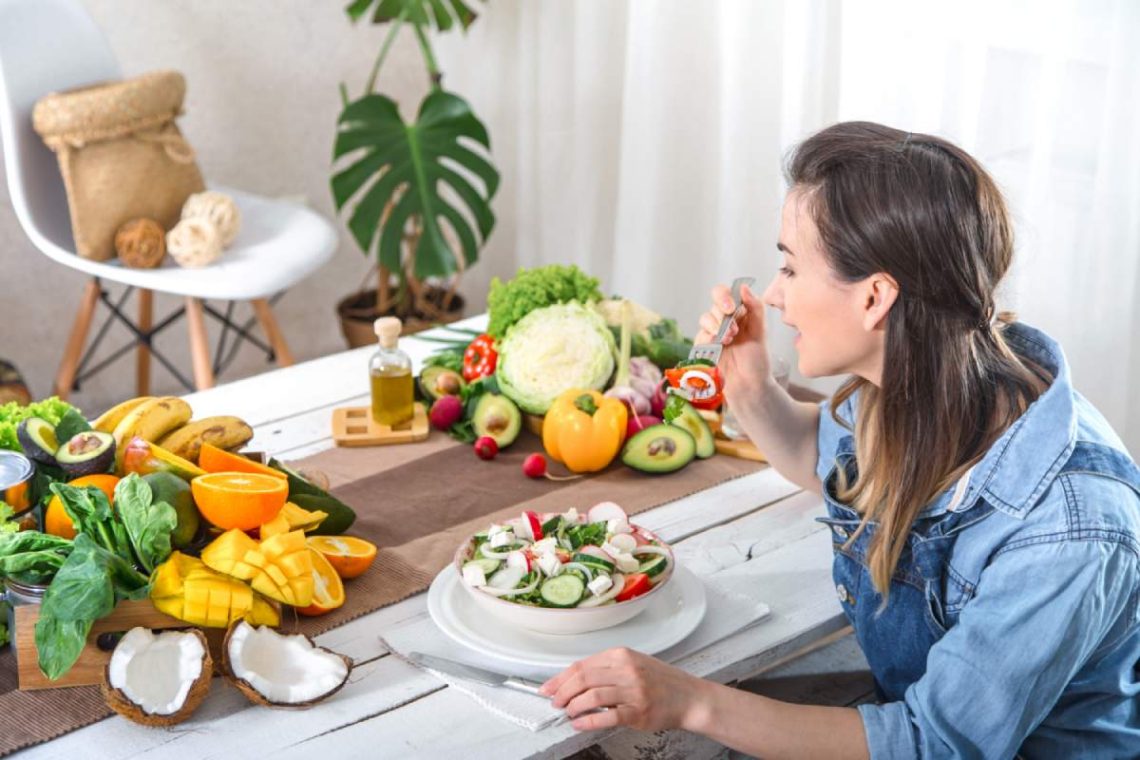
Healthy eating sounds simple until real life shows up. A long workday, a tight budget, picky preferences, and zero energy for dishes can make “cook at home” feel unrealistic. After reviewing practical nutrition guidance and common meal-planning strategies, this guide lays out a calmer, more doable way to eat better without turning meals into a daily project.
Healthier Eating Works Best When It Fits Real Life
A realistic approach starts with one idea; consistency beats intensity. People tend to quit when a plan is too strict, too time-consuming, or too expensive. A better goal is to make the next meal a little easier and a little more balanced than the last one.
One of the simplest ways to reduce friction is to use tools that keep nutritious ingredients within reach. For some households, healthy food delivery can be part of that system, especially during busy weeks when grocery shopping and meal prep are the first things to drop.
Try building meals around three anchors:
- A produce base: fresh, frozen, or canned vegetables and fruit all count.
- A filling protein: beans, lentils, eggs, chicken, fish, tofu, Greek yogurt, cottage cheese.
- A steady energy carb: oats, brown rice, quinoa, whole-grain bread, potatoes, whole-wheat pasta.
That mix helps meals feel satisfying, which matters for sticking with it. It also keeps choices flexible, so a salad, a grain bowl, a wrap, or a stir-fry can all fit the same “formula.” If a meal feels off, it usually needs one missing piece. A pasta bowl may need vegetables, a salad may need more protein, and a snack plate may need a steadier carb.
Another key is to stop treating healthy eating like a daily reset. Eating out, grabbing snacks, or relying on convenience foods does not ruin progress. A week is long, and patterns matter more than single meals. A simple way to stay steady is to aim for “good enough” most of the time:
- Add one fruit or veggie to breakfast
- Choose one higher-protein snack each day
- Build one balanced lunch or dinner on busy days
Small moves like these add up, and they do not require a total lifestyle overhaul.
It also helps to set realistic “guardrails” instead of strict rules. For example, aim to include produce at two meals per day, drink water with most meals, and get protein at breakfast on weekdays. Guardrails keep choices flexible while still guiding decisions.
A Practical Weekly System That Reduces Decision Fatigue
A lot of unhealthy choices are not cravings; they are last-minute decisions made when energy is low. A weekly system lowers that pressure, so meals are easier to repeat.
Start with a “two-day plan,” not a full spreadsheet
1. Pick 2 breakfasts, 2 lunches, 2 dinners
- Breakfast ideas: overnight oats, eggs with toast and fruit, yogurt with berries and nuts
- Lunch ideas: salad kit plus chicken, leftover dinner in a bowl, turkey or hummus wrap with veggies
- Dinner ideas: sheet-pan meal, stir-fry, tacos with beans and slaw
2. Choose 1 shortcut for each meal
- Pre-washed greens, microwave rice, frozen veggies, rotisserie chicken, canned beans, jarred sauce
- If a shortcut removes friction, it is part of the plan, not “cheating.”
Stock five “save the day” items
3. These are the backups that prevent drive-thru dinners:
- Frozen vegetables
- Eggs
- Canned beans or tuna/salmon
- A whole grain (microwave rice, oats, whole-wheat pasta)
- A simple sauce (salsa, pesto, marinara, tahini dressing)
This is also where a service can help. A well-designed healthy food delivery option can reduce grocery trips, shrink prep time, and make it easier to keep balanced ingredients on hand, especially during high-stress weeks.
To make any delivery plan work, use the same “anchor” idea as grocery shopping. Look for meals that naturally include vegetables, a solid protein source, and a satisfying carb, then add a simple side if needed. If a meal feels light, pair it with fruit, yogurt, or a handful of nuts. If sodium is a concern, balance packaged meals with more minimally processed foods during the day, like fruit, vegetables, beans, and plain grains.
A few fast upgrades can also improve meal quality without adding complexity:
- Add a handful of spinach to soups, pasta, or scrambled eggs
- Keep frozen broccoli or mixed veggies ready to microwave
- Use beans to stretch taco meat, chili, and grain bowls
- Swap sugary drinks for water or unsweetened tea most days
A smart weekly system also plans for the moments that usually derail good intentions. Consider building a “busy-day menu,” three ultra-easy meals that require almost no thinking. Examples include a veggie omelet with toast, a microwave rice bowl with beans and salsa, or a salad kit with a ready protein. When a rough day hits, the plan is already decided.
Make The Next Week Easier Than The Last
A realistic approach to healthier eating is not a personality change. It is a set of small defaults that save time and lower stress. Build meals around a produce base, a filling protein, and a steady carb. Keep backups that rescue busy nights. Use convenience tools when they help with consistency, including healthy food delivery when grocery shopping or meal prep is not realistic.
The easiest way to keep momentum is to do a quick weekly check-in. Notice which meals felt satisfying, which ones felt rushed, and which choices were hardest to repeat. Then adjust one thing, such as adding two freezer-friendly dinners, choosing higher-protein snacks, or keeping washed fruit visible in the fridge. When the plan becomes easier to follow, healthier eating starts to feel normal rather than a constant challenge.
Dr. Khizrana Begum is a qualified medical professional with MBBS and MD qualifications and 5+ years of experience in the medical field. She works as a General Physician and Dermatologist, with knowledge spanning general medicine, dermatology, preventive healthcare and skin health.
As a medical reviewer, Dr. Khizrana Begum reviews health and wellness content for medical accuracy, clarity and authenticity.
Sameena Begum reviews content for clarity, accuracy and reader usefulness. Her review process helps ensure that published information is clearly presented, relevant and easy for readers to understand.
Syeda Yasmeen is a Health & Wellness Writer at InHumanBeing.com. She creates clear and reader-focused content across health, nutrition, wellness, women’s health, men’s health and babies’ health.