
 Syeda Yasmeen
Health & Wellness Writer Syeda Yasmeen creates clear and
reader-focused content covering health,
nutrition, wellness, women’s health,
men’s health and babies’ health.
Read Full Bio of Author →
Syeda Yasmeen
Health & Wellness Writer Syeda Yasmeen creates clear and
reader-focused content covering health,
nutrition, wellness, women’s health,
men’s health and babies’ health.
Read Full Bio of Author →
 Sameena Begum
Health, Technology & Digital Content Reviewer Sameena Begum reviews selected content
for clarity, factual presentation,
consistency and reader usefulness.
Read Full Bio of Reviewer →
Sameena Begum
Health, Technology & Digital Content Reviewer Sameena Begum reviews selected content
for clarity, factual presentation,
consistency and reader usefulness.
Read Full Bio of Reviewer →
Good hydration habits is easy and simple. Water is critical to all the body’s functions throughout the day, and is required frequently for temperature regulation, digestion, transportation of nutrients and to maintain normal body functions. Water is lost from the body as a result of sweating, breathing, urine and defecation, so it is important to replace lost water regularly.
You don’t have to have a large water bottle with you at all times and you don’t have to drink all the time! This is to allow people to drink regularly, listen to their thirst and increase their fluid intake if they are exercising or in hot weather.
Why Hydration Matters
Water is required for almost all the functions of the body. Helps to regulate body temperature, lubricates the joints, aids in the digestion process and normal blood volume.
You may feel dizzy, tired or thirsty even if you are just slightly dehydrated. When the fluid loss is greater, symptoms are: dizziness, headache, weakness, confusion or decreased urination.
Staying well hydrated is also important for exercising. Your body loses water and electrolytes by sweating. Fluid replacement aids the body to improve performance and tolerance during exercise and heat.
It’s particularly important to drink plenty of fluids when you are sick, working out, on a hot day outside, or if you are vomiting or having diarrhea.
How Much Water Do You Need?
The amount of water which is appropriate for everyone is not defined. The amount of fluids you need varies based on your age, size, activity, climate and diet, being pregnant, breastfeeding and health status.
Food and drink water are also counted towards your fluid requirements. Estimated values for total water consumption by the National Academies are approximately 2.7 liters per day for females and 3.7 liters per day for males, which include water consumed via food and all beverages. These are the reference values for populations, rather than for each individual.
One of the easiest ways to practice drinking when thirsty is to listen to what you want to drink and watch your urine. If the urine is pale yellow, it is likely that the child is well hydrated, but urine colour can be influenced by the use of food, supplements and some drugs.
Those with medical conditions which affect fluid balance may require other recommendations from their health care provider.
Signs of Dehydration
Dehydration occurs when loss of fluids from the body exceeds intake.
Symptoms include:
- Thirst
- Dry mouth
- Darker urine
- Urinating less often
- Tiredness
- Headache
- Dizziness
- Weakness
In more severe cases, the person may be confused, faint, not urinate much, have a fast heartbeat, or other worrisome symptoms.
Dehydration is a serious medical condition. Children, older adults and individuals who are ill are more likely to become dehydrated rapidly, and alterations in activity, level of awareness, or fluid consumption should be taken seriously.
Seek immediate medical attention if unable to tolerate fluids, frequent diarrhea or vomiting, confusion, collapse or severe dehydration symptoms.
Drinking Water Throughout the Day
It’s not necessary to consume all of your daily fluid in one sitting. Drinking fluids throughout the day is typically more comfortable and easier.
Practice some basic things like:
- Take water during the morning.
- Have water with meals.
- Have water on hand when working or studying.
- Drink before and after physical activity.
- Take water with you when going outdoors.
- Use water as needed, when thirsty.
- Drink more water and fewer sugary beverages.
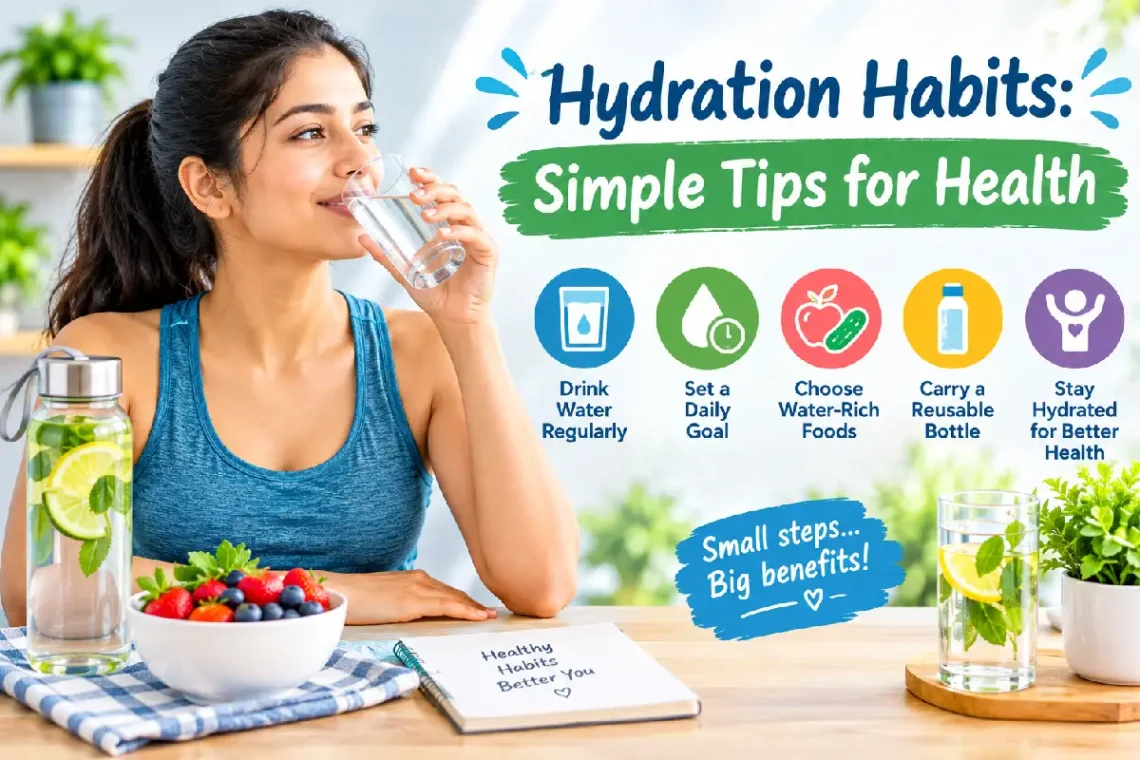
A reusable bottle can help drinking water to be easier since you can monitor and see how much water you are consuming without having to guess.
Just because something is plain water, don’t be afraid to put slices of lemon, lime, cucumber and fruit in it to give it some flavor.
Hydration During Exercise
During exercise, water is lost since your body sweats to cool itself.
For short duration and low intensity activities, drinking water for thirst for many is adequate. Water and electrolyte losses can be more severe during longer and/or more strenuous exercise, particularly in warmer weather.
During exercise, consider:
- Water before exercise.Water during exercise.
- Drinking regularly in longer sessions.
- Replacing fluids afterward
- Drinking extra liquid, if you are sweating a lot
- Listening to thirst and the sensation of thirst:
Sports drinks are drinks that contain carbohydrates and electrolytes and can be beneficial during certain prolonged and/or intense activities. They can also have a high amount of added sugar, though, so not all workouts require it.
Don’t push too much water when exercising. Excessive consumption of fluid intake can also be a problem, as it may lead to very low blood sodium levels.
Hydration in Hot Weather
The heat can cause more sweating and fluid loss. Humid climates also may make it more difficult for moisture to evaporate and cool the body.
During hot days, stay hydrated while avoiding the stimulus of thirst.
Practicing good habits, such as drinking water regularly, bringing water to the outside, taking breaks in cooler areas, limiting long activities during the hottest hours of the day as much as possible, helps.
When outdoors for long periods, wear light weight clothing and other heat safety techniques.
In the event of heavy sweating and then weakness, dizziness, nausea, headache or confusion in hot weather, move to a cooler location, and seek medical attention if symptoms are severe or do not resolve.
Water-Rich Foods
Fluids can be obtained from other sources besides water. A lot of food can provide significant water and can be a great way to be hydrated throughout the day.
Examples include:
| Water-Rich Food | Easy Ways to Eat It |
| Watermelon | Fresh snack or fruit salad |
| Cucumber | Salad or sliced snack |
| Oranges | Whole fruit |
| Strawberries | Breakfast or snack |
| Cantaloupe | Fruit bowl |
| Tomatoes | Salads or sandwiches |
| Lettuce | Salads and wraps |
| Soups | Lunch or dinner |
Fruits and vegetables also contain vitamins, minerals and fiber, which are helpful to a well balanced diet.
Keep in mind that water-rich foods go well with water, they are not a substitute for water.
Healthy Drinks vs. Sugary Drinks
Not all beverages are the same for daily fluid replacement.
Water is a no-fuss option since it offers a calorie and sugar-free beverage. Some other healthy drinks, such as unsweetened milk, can also help you get fluids.
Any sugary drinks like regular soda, sweet tea, energy drinks, and various fruit-flavored drinks can be a high source of sugar in the diet.
The new strategy is to drink water first, and other liquid as needed in the diet.
If you are already consuming multiple soft drinks a day, don’t make all the changes at once. Replace one drink at a time with water, and slowly develop the habit.
Hydration for Children
A child requires fluids to support his or her body functions, activity, and growth. They are different depending on age, size, activity, food and the weather.
Kids can get caught up in games and forget to drink. Parents/caregivers can help to make water readily available and provide water during meals and snacks.
Drink fluids frequently, particularly during sports or outdoor activities, particularly during warmer weather.
Keep an eye on symptoms, including excessive tiredness, dry mouth, dark urine, or increased thirst. It is important to note that very young children might not always express their need for water.
Infants require hydration levels which are different to those of older children. The amount of fluid for infants should be given according to pediatric guidelines and parents should NOT be giving plain water to their young babies unless they have been told to do so by their healthcare provider.
Hydration for Older Adults
Dehydration can be more of a risk to older adults. As you get older, thirst might not be as strong, and certain medications and medical problems may impact the balance of fluids in your body.
Here are some simple methods to help:
- Drink with meals.
- Have water available.
- Drink if necessary when giving medicines.
- Include water-rich foods.
- Drink often, instead of waiting to be very thirsty.
- Bring water with you when you leave your home.
Some older persons, however, may have heart, kidney or other diseases that make it necessary to not have too much fluid. In such situations, water is not necessarily healthy. Listen to the seamless suggestions from a health care provider.
The CDC explains that getting enough water is important for health and that fluid needs can vary based on factors such as age, activity level, climate, pregnancy, and breastfeeding. It also advises good practice like taking a reusable water carrier, opting for water over sugary drinks, and drinking water with meals.
Conclusion
The four basic rules of drinking water are: drink regularly, drink water frequently, listen to your thirst and drink more water during hot weather and exercise. Other foods that are good sources of water include foods such as fruits and vegetables.
For children and older adults, more attention might be needed because they may be more susceptible to dehydration. Above all, don’t over or underhydrate. In the case of any medical condition that interferes with fluid balance, stick to individual recommendations provided by your healthcare professional.
Sameena Begum
Sameena Begum reviews content for clarity, accuracy and reader usefulness. Her review process helps ensure that published information is clearly presented, relevant and easy for readers to understand.
Syeda Yasmeen
Syeda Yasmeen is a Health & Wellness Writer at InHumanBeing.com. She creates clear and reader-focused content across health, nutrition, wellness, women’s health, men’s health and babies’ health.