
 Syeda Yasmeen
Health & Wellness Writer Syeda Yasmeen creates clear and
reader-focused content covering health,
nutrition, wellness, women’s health,
men’s health and babies’ health.
Read Full Bio of Author →
Syeda Yasmeen
Health & Wellness Writer Syeda Yasmeen creates clear and
reader-focused content covering health,
nutrition, wellness, women’s health,
men’s health and babies’ health.
Read Full Bio of Author →
 Sameena Begum
Health, Technology & Digital Content Reviewer Sameena Begum reviews selected content
for clarity, factual presentation,
consistency and reader usefulness.
Read Full Bio of Reviewer →
Sameena Begum
Health, Technology & Digital Content Reviewer Sameena Begum reviews selected content
for clarity, factual presentation,
consistency and reader usefulness.
Read Full Bio of Reviewer →
 Dr. Khizrana Begum
General Physician and Dermatologist Dr. Khizrana Begum is a qualified medical
professional with MBBS and MD qualifications
and 5+ years of experience. She reviews health
and wellness content for medical accuracy,
clarity and responsible presentation.
Read Full Bio of Medical Reviewer →
Dr. Khizrana Begum
General Physician and Dermatologist Dr. Khizrana Begum is a qualified medical
professional with MBBS and MD qualifications
and 5+ years of experience. She reviews health
and wellness content for medical accuracy,
clarity and responsible presentation.
Read Full Bio of Medical Reviewer →
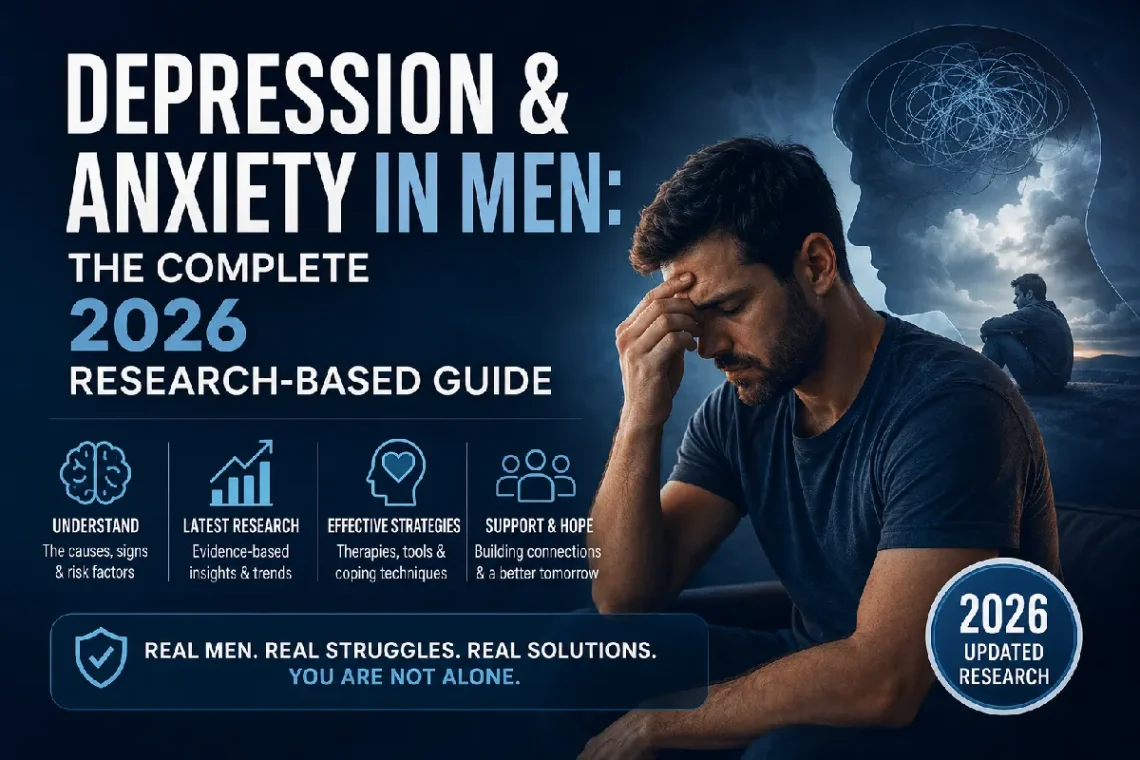
In 2026, Depression & Anxiety will be among the most prevalent mental health conditions affecting men worldwide, with millions still undiagnosed due to a variance in symptoms which present unlike the commonly described signs. Men will carry on functioning at work, home and social environments, while battling an emotional exhaustion, anxiety, burnout and suppressed depression.
Mental health professionals are now understanding the fact that depression in men is most likely to involve suppressed emotions, an inability to attend therapy and use of negative coping mechanisms to manage. Men are more prone to self-medicate using alcohol, throw themselves into work and become withdrawn and socially reclusive. This leads to prolonged depression in both mental and physical well-being over years.
Strong personal connections can make a significant difference during recovery. Learn how healthy relationships support men’s mental health. As one gains the ability to recognize these specific male manifestations of Depression & Anxiety, more accurate and timely treatment and recovery become possible. The signals, causes, inconspicuous symptoms of Depression & Anxiety in men, effective treatment alternatives, and self-help resources all supported by mental health research and present trends within the field of psychology are discussed here.
❝
This article is part of
Men’s Mental Health Hub
Quick Statistics About Depression & Anxiety in Men (2026)
| Mental Health Trend | 2026 Estimate |
| Men experiencing anxiety symptoms | 41% |
| Men reporting burnout symptoms | 58% |
| Men are avoiding therapy due to stigma | 63% |
| Increase in online therapy usage | 48% |
| Men searching for mental health support online | 39% |
| Cases of high-functioning depression | Rising globally |
Depression often overlaps with broader issues related to men’s mental health, including emotional burnout, anxiety, sleep issues, and social isolation. The above statistics also highlight the increase in awareness of men’s mental health, but indicate that issues of stigma and treatment delay are still key issues.
Signs of Depression in Men
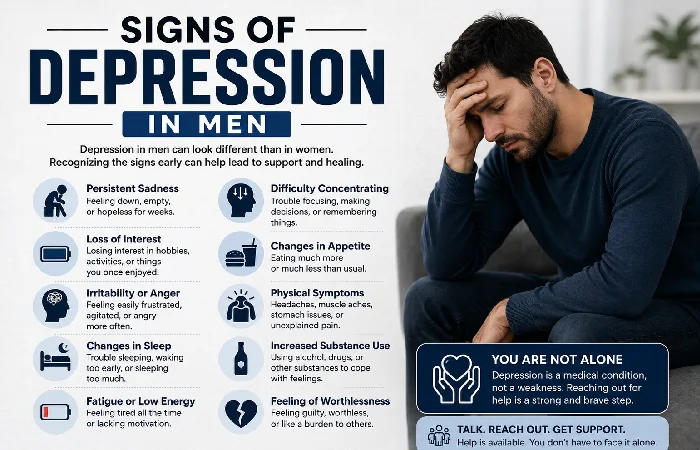
It’s easy to overlook depression in men as its symptoms are not always evident in outward crying or sadness. It’s often observed as behaviors like being grumpy, furious, irritable, withdrawn etc.
Emotional Symptoms of Depression in Men
Men’s depression has some particular emotional symptoms like:
- Annoyance/irretability for no obvious reason
- Feeling emotionally shut down
- Lack of interest in pastimes
- Lack of hope
- in the futureLow self-worth
- Increased frustration
- Difficulty experiencing happiness
Many men describe depression as feeling “empty” or disconnected rather than sad. Regular exercise is proven to improve mood and reduce depressive symptoms. Discover the benefits of exercise for mental health.
Physical Symptoms of Depression
Depression also creates noticeable physical symptoms.
| Physical Symptom | Possible Impact |
| Chronic fatigue | Reduced motivation |
| Sleep disturbances | Poor concentration |
| Headaches | Increased stress |
| Body pain | Emotional exhaustion |
| Appetite changes | Weight fluctuations |
| Reduced libido | Relationship stress |
Physical symptoms often cause men to visit doctors before recognizing the emotional root of the problem.
Understanding your emotions is an important step toward managing depression. Explore our guide to emotional wellness for men.
Behavioral Symptoms
Behavioral changes are another major warning sign.
- Common Behavioral Changes
- Increased alcohol consumption
- Social isolation
- Avoiding conversations
- Excessive gaming or screen time
- Overworking
- Aggression and defensiveness
- The urge to take risks
The avoidance of feelings can lead to work-addiction and to the depletion of energy and emotion over time.
Anxiety Symptoms in Men Explained
Anxiety not only manifests as psychological issues, but it has several physiological and mental symptoms as well. Feeling stress occasionally is normal, but persistent anxiety can have damaging effects on the long-term well being of a man and disrupt normal functioning.
Typical Physical Signs of Anxiety
| Symptom | Description |
| Increased pulse | The fight or flight response |
| Muscle tension | Physical tension over long periods of time |
| Excessive sweating | Panic response |
| Insomnia | Difficulty relaxing |
| Restlessness | Constant nervous energy |
| Digestive problems | Stress-related stomach issues |
Men experiencing anxiety often report feeling “constantly on edge” even when no immediate danger exists.
Psychological Symptoms of Anxiety
Common Mental Symptoms
- Racing thoughts
- Overthinking conversations
- Constant fear of failure
- Difficulty concentrating
- Catastrophic thinking
- Fear of judgment
- Panic attacks
Because it causes men to feel weak and emotionally unstable.
Anxiety in Daily Life
Untreated anxiety can affect:
- Job performance
- Relationships
- Sleep quality
- Financial decision-making
- Parenting
- Social confidence
Chronic anxiety may eventually contribute to depression, burnout, and physical health problems.
If depression becomes overwhelming or leads to a mental health emergency, seek help through our mental health crisis support resources.
High-Functioning Depression in Men
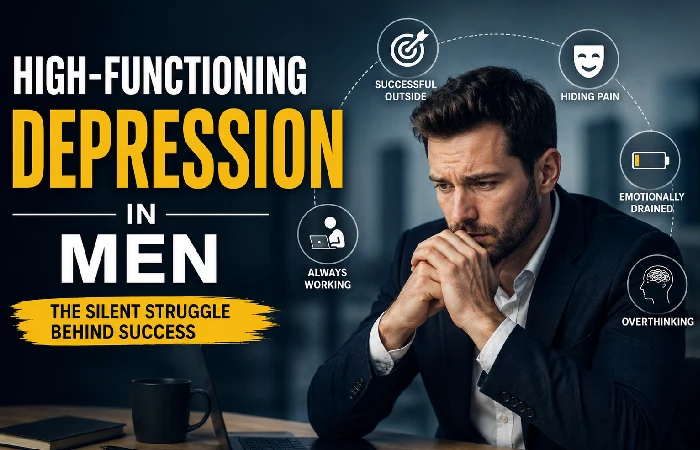
Arguably the least recognized type of depression in men, high-functioning depression, is so because the man carries on with life as normal, undertaking his role. Externally the man appears to achieve however is battling internally; suffering from burnout and hopelessness.
Common Signs of High-Functioning Depression
| Outward Appearance | Hidden Struggle |
| Successful career | Emotional numbness |
| Stable relationships | Constant anxiety |
| Productivity | Burnout |
| Social interaction | Internal loneliness |
| Goal achievement | Lack of fulfillment |
Because he carries on with life friends and family do not spot the danger signs.
Simple lifestyle changes, including better sleep and nutrition, can complement treatment. Read our tips on maintaining a healthy lifestyle for mental wellness.
How it remains a secret
High-functioning depression can remain a secret due to the value placed on productivity and the fear of having it known that you are failing. Men often think they cannot have a mental illness if they carry on going to work, or carrying their workload; providing financially, fulfilling their role and so forth.
This leads to postponed help and an accumulation of internal pain.The Burnout Connection
Burnout and high-functioning depression frequently overlap.
Symptoms of Burnout include;
Emotional exhaustion
- Cynicism
- Decreased motivation
- Lack of satisfaction
- Sleep deprivation
- Heightened sensitivity to stress
In 2026, due to ever increasing modern workplace, and financial demands and social pressures-more men are experiencing Burnout.
Why Men Hide Their Emotions
Socialisation heavily influences the way in which men express pain.
From boyhood we are often told:
“Be strong.”
“Don’t cry.”
“Handle it yourself.”
“Man up.”
Over time, emotional suppression becomes normalized.
Common Reasons Men Avoid Opening Up
| Reason | Impact |
| Fear of appearing weak | Emotional isolation |
| Career pressure | Stress buildup |
| Social stigma | Delayed treatment |
| Family responsibilities | Emotional suppression |
| Lack of emotional education | Poor coping skills |
Emotional Suppression and Mental Health
Suppressing emotions does not eliminate emotional pain. Instead, it often appears through:
- Anger
- Irritability
- Anxiety
- Addictive behaviors
- Isolation
- Chronic stress
Mental health professionals increasingly encourage emotional awareness as part of long-term wellness.
Depression can affect men differently at every stage of life. Learn more in our age-based mental health guide.
How Untreated Anxiety Affects Men
Untreated anxiety affects nearly every area of life.
Relationship Problems
Anxiety may cause:
- Irritability
- Overthinking conflicts
- Emotional withdrawal
- Communication difficulties
- Trust issues
Partners may notice emotional distance without understanding the underlying anxiety.
Career and Productivity Issues
Anxiety can reduce workplace performance through:
- Poor concentration
- Decision fatigue
- Burnout
- Sleep deprivation
- Fear-based decision-making
Some men compensate by overworking, which may worsen exhaustion.
Physical Health Consequences
| Physical Effect | Long-Term Risk |
| High stress hormones | Heart disease |
| Chronic tension | Muscle pain |
| Weak sleep | Fatigue |
| Digestive issues | Gut health problems |
| High blood pressure | Cardiovascular risk |
Mental and physical health are closely connected.
Breaking the stigma around depression starts with education. Visit our men’s mental health awareness page to learn how you can help.
Major Causes of Depression & Anxiety in Men
Mental health environment rarely develop from one single factor.
Biological Factors
- Genetics
- Brain chemistry
- Hormonal imbalances
- Family history
- Poor sleep
- Lack of exercise
- Substance use
- Unhealthy diet
- Excessive screen time
- Environmental Triggers
- Financial stress
- Relationship conflict
- Career pressure
- Social isolation
- Traumatic experiences
Research shows that untreated chronic stress in men can increase the risk of depression, fatigue, irritability, and emotional exhaustion. Escalation of anxiety all over the world is on the rise, a factor related to modern electronic lifestyles and economic instabilities.
Treatment Options for Depression & Anxiety
The good news is that depression and anxiety are greatly treatable.
Therapy
Therapy remains one of the most effective treatments.
Common Therapy Types
| Therapy Type | Best For |
| Cognitive Behavioral Therapy (CBT) | Anxiety & depression |
| Talk therapy | Emotional processing |
| Group therapy | Social support |
| Trauma therapy | PTSD-related anxiety |
CBT is particularly effective because it helps identify negative thought patterns and replace them with healthier responses.
Medication
Doctors may prescribe medications for moderate or acute symptoms.
Common Medication Categories
- SSRIs
- SNRIs
Medication works best when linked with therapy and healthy lifestyle replaces.
Lifestyle-Based Recovery
Healthy habits significantly improve recovery outcomes.
Helpful Lifestyle Changes
- Routine exercise
- Better sleep routines
- Reduced alcohol intake
- Meditation
- Social connection
- Balanced nutrition
Many people benefit from therapy for men, which can provide coping strategies, emotional support, and long-term depression management techniques. One approach that resulted in measurable improvements in mood states and reduction in stress levels was the exercise.
Best Mental Health Apps & Online Therapy Platforms
Digital mental health support continues growing rapidly.
| Platform | Features | Best For |
| BetterHelp | Online counseling | General therapy |
| Talkspace | Text-based therapy | Busy professionals |
| Calm | Meditation | Stress reduction |
| Headspace | Sleep & mindfulness | Anxiety management |
| Brightside | Therapy + medication | Depression treatment |
Online therapy has become specifically popular among men who favor private or flexible support choices.
Depression & Anxiety Trends in 2026
Searches related to:
- Men’s mental health
- Anxiety symptoms
- Burnout recovery
- Emotional wellness
- Therapy for men
- continue increasing globally.
- Positive Effects
- Easier therapy access
- Mental health education
- Online communities
- AI-based wellness tools
- Negative Effects
- Doomscrolling
- Social comparison
- Sleep disruption
- Information overload
It is widely recognized as essential strategy for mental well-being to have a balance between digital and real life now.
FAQs
Can men get depression without feeling sad?
Yes, while men might appear irritable or emotionally blunted than sad due to anger, exhaustion or feeling of numbness.
What is high functioning depression?
Depression that coexists with daily functions and responsibilities as well as routine of life.
Why do men avoid therapy?
Men might feel stigmatized and discriminated upon, as well as having issues concerning their privacy, or feeling societal pressure and judgment.
Can anxiety cause physical symptoms?
Yes, they are common physical symptoms including fatigue, muscles tension, digestion issues, sleep problem, headaches, etc.
Conclusion
Mental health conditions such as depression & anxiety in men often hide within the façade of their productivity, stoicism and societal roles.
Awareness of early warning signs such as irritation, disrupted sleeping patterns, withdrawal, overwhelming worry and tiredness are critical steps towards improving a man’s mental state. With an increase in awareness, various forms of modern therapies available today, through digitally designed mental health programs and a more open dialogue surrounding emotional well-being, there is a positive outlook that men are now becoming more inclined to receive help and work towards a better mental state.
The areas that have contributed to a better mental health and quality of life in men in the long term are: Early intervention, emotional self-awareness, counseling and therapy, improved lifestyle factors, and the role of support networks.
Dr. Khizrana Begum is a qualified medical professional with MBBS and MD qualifications and 5+ years of experience in the medical field. She works as a General Physician and Dermatologist, with knowledge spanning general medicine, dermatology, preventive healthcare and skin health.
As a medical reviewer, Dr. Khizrana Begum reviews health and wellness content for medical accuracy, clarity and authenticity.
Sameena Begum reviews content for clarity, accuracy and reader usefulness. Her review process helps ensure that published information is clearly presented, relevant and easy for readers to understand.
Syeda Yasmeen is a Health & Wellness Writer at InHumanBeing.com. She creates clear and reader-focused content across health, nutrition, wellness, women’s health, men’s health and babies’ health.