

 Syeda Yasmeen
Health & Wellness Writer Syeda Yasmeen creates clear and
reader-focused content covering health,
nutrition, wellness, women’s health,
men’s health and babies’ health.
Read Full Bio of Author →
Syeda Yasmeen
Health & Wellness Writer Syeda Yasmeen creates clear and
reader-focused content covering health,
nutrition, wellness, women’s health,
men’s health and babies’ health.
Read Full Bio of Author →
 Sameena Begum
Health, Technology & Digital Content Reviewer Sameena Begum reviews selected content
for clarity, factual presentation,
consistency and reader usefulness.
Read Full Bio of Reviewer →
Sameena Begum
Health, Technology & Digital Content Reviewer Sameena Begum reviews selected content
for clarity, factual presentation,
consistency and reader usefulness.
Read Full Bio of Reviewer →
 Dr. Khizrana Begum
General Physician and Dermatologist Dr. Khizrana Begum is a qualified medical
professional with MBBS and MD qualifications
and 5+ years of experience. She reviews health
and wellness content for medical accuracy,
clarity and responsible presentation.
Read Full Bio of Medical Reviewer →
Dr. Khizrana Begum
General Physician and Dermatologist Dr. Khizrana Begum is a qualified medical
professional with MBBS and MD qualifications
and 5+ years of experience. She reviews health
and wellness content for medical accuracy,
clarity and responsible presentation.
Read Full Bio of Medical Reviewer →
Digestive health is a key aspect of our general health and wellbeing. The digestive tract is the part of the body to which food is digested, nutrients and water are absorbed into the body and waste is eliminated, however it is also a major portal of interaction with the immune system, the nervous system, hormones and the enormous variety of organisms contained within the gastrointestinal tract.
Healthy digestion is not the same as normal bowel habit. A healthy digestive system should be able to digest and absorb nutrients, to look after a healthy ecology and to work without ongoing pain, unexplained switching of symptoms etc.
Regular habits can affect the health of the digestion. Consuming a diverse range of foods, including many sources of good fibres, drinking plenty of fluids, exercise, rest and stress management can all benefit the digestion.
Digestive problems are very common but there are many different factors which contribute to them. This includes bowel problems such as flatulence, bloating, constipation and diarhoea occurring regularly, due to dietary or health reasons. If these symptoms persist or cause a lot of pain medical help should be sought.
An excellent “all-in-one” guide detailing how digestion works, the various organs and their roles, nutritional and lifestyle advice for good digestion, benefits of fiber and the gut microbiome and when to seek medical advice in the presence of symptoms.
Note: This article is intended solely for use as general health information and should not be used in place of diagnosis and treatment by a doctor or other health professional. Any chronic or unexplained or serious digestive disorders should be diagnosed and treated by a health practitioner.
❝
This article is part of
Digestive Health Hub
What Is Digestive Health?
The health of the gastrointestinal or digestive system, specifically the processes involved in digesting food, absorbing nutrients, and eliminating waste.
The digestive system performs several connected functions:
- Breaking food into smaller components
- Digesting carbohydrates, proteins, and fats
- Absorbing vitamins and minerals
- Absorbing water and electrolytes
- Moving food through the digestive tract
- Supporting immune functions
- Eliminating waste
Gut health is susceptible to a huge number of influences; these include nutrition, hydration levels, exercise, medication, infections, psychological state, sleep, age and health status.
Having a normal digestive system does not always equate to having no gas or irregular bowel patterns. Normal function can also include these variations.
What Can Affect Digestive Health?

| Factor | How It May Affect Digestion |
| Diet | Provides fiber, nutrients, and other substances needed for normal digestive function |
| Hydration | Supports normal movement of digestive contents and helps prevent dehydration |
| Physical Activity | Regular movement can support normal bowel function |
| Gut Microbiome | Intestinal microorganisms interact with food, the digestive tract, and immune system |
| Stress | Can influence digestive symptoms and bowel habits |
| Medications | Some medicines can affect appetite, bowel movements, stomach function, or gut microorganisms |
| Age | Digestive function and dietary needs can change throughout life |
| Medical Conditions | Some diseases can directly affect the digestive system |
How Does the Digestive System Work?
The digestion even starts before the food gets into the stomach.
When you taste, smell or think about food, your body can start getting ready for digestion. Mechanical and chemical digestion start from when the food is in the mouth.
Mouth
They cut and crush food into smaller pieces.
Saliva produces a moistening effect on food. It also contains enzymes to start the digestion of some carbohydrates.
The tongue plays a role in masticating the food with saliva. and propelling the mixture down the pharynx.
Esophagus
Once the food has been swallowed it travels down the esophagus to the stomach.
Peristalsis, the series of muscular contractions.
Stomach
The stomach acts as a temporary reservoir for food and it mixes food with gastric acid and digestive enzymes.
This assists in reducing the size of the food even further which is more efficient for the digestion of proteins.
As the stomach slowly empties from the stomach to the small intestine.
Small Intestine
The majority of digestion and absorption of nutrients takes place in the small intestine.
The majority of digestion occurs with the use of digestive enzymes and the products of the pancreas and liver. These work to break down food into more manageable parts.
The small intestine absorbs nutrients such as:
- Carbohydrates
- Amino acids from proteins
- Fatty acids and other fat components
- Vitamins
- Minerals
Large Intestine
The large intestine absorbs water and electrolytes from the remaining material.
Bacteria and other microorganisms in the colon also interact with undigested food components, particularly certain types of fiber.
The remaining material gradually becomes stool.
Rectum and Anus
The rectum stores stool before elimination.
The anus controls the release of stool from the body.
Digestion at a Glance
| Stage | Main Function |
| Mouth | Chews food and begins digestion |
| Esophagus | Moves swallowed food to the stomach |
| Stomach | Mixes food with acid and digestive substances |
| Small Intestine | Completes much of digestion and absorbs nutrients |
| Large Intestine | Absorbs water and processes remaining material |
| Rectum | Stores stool before elimination |
| Anus | Controls elimination of stool |
Why Digestive Health Matters
The Digestive System is needed to take nutrients from food.
Good digestion allows the body to access energy and nutrients needed for:
- Growth
- Tissue repair
- Immune function
- Brain function
- Hormone production
- Physical activity
- Daily metabolism
Digestive health is linked to various other dimensions of health.
For instance, the intestinal system has a huge number of microorganisms that directly interact with the diet and all the contents of the intestinal system.
The digestive tract also has a synergic effect on immune function.
Digestive Health and Overall Well-Being
Irritable Bowel Disorder| Yoga Therapy | Email Share The symptoms affect your daily routine.
Symptoms such as ongoing abdominal pain, diarrhea, constipation, nausea, or bloating may interfere with:
- Sleep
- Work
- Exercise
- Eating
- Social activities
So, persistent gastrointestinal problems, even if chronic should not be taken lightly.
Signs of a Healthy Digestive System
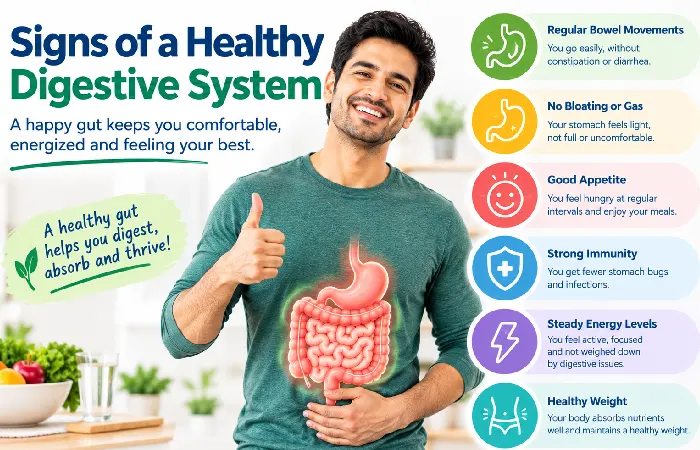
Every age group does not have an unique definition of “ regular digestion”.
However, signs of generally healthy digestive function may include:
- Regular bowel movements that are normal for the individual
- Ability to eat a varied diet without persistent digestive discomfort
- Normal appetite
- No ongoing unexplained abdominal pain
- No persistent diarrhea or constipation
- Stable weight without unexplained changes
- Adequate hydration
- Normal energy levels
Bowel Habits Vary
There are variations across people in bowel movements.
Healthy individuals may also have multiple bowel movements in a day or may have only one every few days.
Number of bowel movements have fallen out of favor. Consistency, comfort and deviation from an individual’s usual pattern may be more relevant.
Common Digestive Problems
Many factors can contribute to digestive symptoms.
Common digestive problems include:
- Constipation
- Diarrhea
- Gas
- Bloating
- Heartburn
- Acid reflux
- Nausea
- Abdominal discomfort
- Indigestion
Some digestive health issues are only temporary, others are an ongoing condition.
Constipation
Common symptoms of constipation usually refer to infrequent stools, hard or dry stool, straining or difficulty in passing stool and sensation of incomplete emptying.
Factors that may contribute include:
- Low fiber intake
- Inadequate fluid intake
- Low physical activity
- Changes in routine
- Certain medications
- Some medical conditions
Diarrhea
Diarrhea defined as loose/watery stool can be due to infection, food, drugs or other conditions.
Persistent diarrhea can lead to fluid and electrolyte loss.
Bloating and Gas
Gases are a normal part of digestion.
The result of swallowed air and state of microorganisms in the large bowel is the production of intestinal gas.
Bloating abdominal heaviness, pressure, or swelling.
Bloating can occur occasional but should be referred on if long term or get worse.
Acid Reflux and Heartburn
Gastro oesophageal reflux this is when the acid contents of the stomach reflux into the oesophagus.
Heartburn a discomforting burning sensation in the chest caused by stomach acid touching the lining of the esophagus.
Abdominal symptoms which occur frequently may need to be investigated.
Indigestion
Indigestion can involve symptoms such as:
- Upper abdominal discomfort
- Fullness
- Bloating
- Nausea
- Belching
It is important not to keep removing symptoms without investigating the causes. It is better to investigate and treat the underlying cause. Symptoms that are recurrent should be investigated.
Foods That Support Digestive Health
A varied and balanced diet can contribute to good digestion.
Foods commonly associated with a healthy diet include:
Fruits
Fruits provide an excellent source of: fibers, water, vitamins, minerals and all other plant nutrition factors.
Examples include:
- Apples
- Pears
- Bananas
- Oranges
- Berries
- Papaya
Vegetables
There are vegetables which are high in fiber and many different nutrients.
Examples include:
- Carrots
- Broccoli
- Spinach
- Pumpkin
- Peas
- Sweet potatoes
Whole Grains
Whole grains contain more fiber than refined grains.
Examples include:
- Oats
- Brown rice
- Whole-grain bread
- Barley
- Whole-grain cereals
Protein Foods
Protein may be for from plants or animals.
Examples include:
- Beans
- Lentils
- Eggs
- Fish
- Poultry
- Yogurt
- Tofu
Healthy Fats
Healthy dietary fats can be obtained from foods such as:
- Nuts
- Seeds
- Avocado
- Olive oil
- Fatty fish
Like each person is different, every digestion condition is different. foods. Some digestion troubles need special diet.
Fiber and Digestive Health
Fiber is one of the key elements in a balanced diet.
Found naturally in plant foods and move through the gastrointestinal system, without being greatly absorbed.
There are various types of fiber, many of which are found in combination in plant foods.
Soluble Fiber
Soluble fiber is able to be dissolved and/or absorbed in water and is capable of forming gel.
Sources include:
- Oats
- Beans
- Lentils
- Some fruits
- Some vegetables
Insoluble Fiber
Insoluble fiber contributes bulk to the stool andmay aid in the maintenance of regular bowel movements.
Sources include:
- Whole grains
- Vegetables
- Nuts
- Seeds
How Much Fiber Do You Need?
Fiber requirements are dependent on the age, sex and situation of the individual.
For adults, the general recommendation is to increase fiber intakes from a variety of foods, rather than from one particular food.
Increase Fiber Gradually
If your current diet is low in fiber, increasing intake suddenly can cause:
- Gas
- Bloating
- Abdominal discomfort
Gradually increase fiber and drink plenty of fluids.
Gut Microbiome and Digestive Health
The microbiome of the gutbody.
This group includes bacteria and others.
The gut microbiome interacts with:
- Food
- Fiber
- The intestinal lining
- The immune system
- Other microorganisms
Fiber and the Gut Microbiome
The fermentation of dietary fiber with some specific types of gut microbiota can occur.
This leads to the generation of molecules known as short-chain fatty acids, which are key signaling molecules for intestinal microbes when interacting with the host.
Supporting a Diverse Gut Environment
A varied diet containing a lot of other plant foods may provide different types of fiber and other constituents.
Foods that can contribute include:
- Fruits
- Vegetables
- Whole grains
- Beans
- Lentils
- Nuts
- Seeds
Fermented Foods
Certain fermented foods have active cells.
Examples can include:
- Yogurt containing live cultures
- Kefir
- Certain fermented vegetables
However fermented foods will affect everyone in a different way and are not a substitute for medicine.
Avoid Overusing “Gut Health” Products
Many supplements and products are sold targeting gut health.
Not all products are appropriate for everyone, and evidence varies depending on the product and health condition.
If you have a digestive problem, ask your doctor if you need any supplements.
Hydration and Digestion
Water is required to perform a wide variety of functions within the body. Important for example is its role in assisted digestion.
Sufficient Fluid intake can assist the body in maintaining a normal fluid balance and aid in producing stool that has a healthy consistency.
Hydration becomes especially important when fluid losses occur through:
- Vomiting
- Diarrhea
- Sweating
- Fever
Hydration and Constipation
May be a factor for some individuals who experience hard stools. Too little fluid intake.
But water consumption does not necessarily treat constipation.
A balance of sufficient fluids, suitable fiber, exercise, and other good habits may contribute to maintaining normal bowel function.
Healthy Hydration Habits
Try to:
- Drink fluids regularly throughout the day.
- Increase fluid intake when appropriate during hot weather or physical activity.
- Pay attention to thirst.
- Replace fluids lost through illness when necessary.
Individuals with certain medical conditions may require fluid restrictions and will be directed by their physician.
Exercise and Digestive Health
Exercise can positively affect many aspects of health, including among others digestion.
Likewise, the movement may serve to normalise intestinal function and regular bowel movements.
Examples of physical activity include:
- Walking
- Cycling
- Swimming
- Dancing
- Strength training
- Yoga
You don‘t need to do too much exercise to keep your digestive system in good shape.
Moving around frequently throughout the day can also be helpful.
Exercise and Constipation
For some people, physical inactivity is a factor contributing to constipation.
If you spend a lot of time sitting, the gradual addition of regular walking or other suitable activity may be beneficial in supporting normal bowel function.
Slow down if you have not exercised in the past.
Stress and Digestive Health
In some of their pathways, the body nervous system and the body digestive system are connected.
This is sometimes known as the gut brain link.
In some individuals, those who are prone, stress may be a factor in digestive symptoms.
It may be associated with changes in:
- Appetite
- Bowel movements
- Abdominal discomfort
- Nausea
- Bloating
Individuals with functional gastrointestinal disorders may observe that stress correlates with symptoms.
Ways to Manage Stress
Healthy stress-management practices can include:
- Regular physical activity
- Adequate sleep
- Relaxation exercises
- Breathing exercises
- Mindfulness
- Spending time with supportive people
- Taking breaks from stressful activities
Managing stress is not a substitute for treating an underlying digestive disorder.
Digestive Health and Age
Digestive capacity and digestive functioning can alter over the course of the life cycle.
Children
Children require good nourishment.
Digestive symptoms may also have underlying causes that are different from those in adults.
Persistent vomiting or diarrhea, delay in feeding and gross failure to thrive (growth or weight gain) should be brought to the notice of the pediatrician.
Adults
Adults can support digestive health through:
- Balanced nutrition
- Regular activity
- Adequate hydration
- Healthy sleep
- Appropriate medical care
Older Adults
Eating habits and the way our bodies process food tend to be influenced by age. By the time we are sixty years of age, our bodies are not processing foods the same way as when we were in our teens.
Elderly people could be at an increased risk of dehydration and constipation.
Digestive Health Across Life Stages
| Life Stage | Digestive Health Focus |
| Children | Adequate nutrition, healthy growth, hydration, and age-appropriate fiber |
| Adults | Balanced diet, physical activity, hydration, and management of digestive symptoms |
| Older Adults | Hydration, fiber, physical activity, medication review, and monitoring for changes in bowel habits |
Healthy Habits for Better Digestion
Small Daily Habits that Kill your digestive health.
Eat a Variety of Foods
A diverse diet offers various nutrients and fiber types.
Make an effort to incorporate food from different food groups.
Eat Enough Fiber
Incorporate available vegetables, fruits, grains, beans, lentils, nuts, and seeds.
Boost fiber over time if your intake is currently minimal.
Drink Adequate Fluids
Drink at a fairly constant rate according to your individual needs.
Stay Physically Active
Physical activity can promote digestive health.
Eat Mindfully
For some people, eating slowly and chewing foods well may help make the experience of eating more comfortable.
Maintain Healthy Sleep Habits
It has been shown that sleep deprivation can have many effects on health and may have a role in appetite and gut symptoms.
Limit Excessive Alcohol
A large intake of alcohol may have damaging effects on several organs and functions of health such as the digestion system.
Avoid Smoking
The effects of smoking on the digestive system and other aspects of health.
Use Medications Responsibly
Certain medications may lead to constipation, diarrhea, nausea, or other gastrointestinal side-effects.
Never try to come off your medication without consulting your doctor.
Pay Attention to Persistent Changes
If you notice that your bowel movements are becoming irregular or that your routine is altered and such change remains for some time consult your general doctor.
Healthy Digestive Habits Checklist
| Habit | Digestive Health Benefit |
| Eat Fiber-Rich Foods | Supports normal bowel function and provides fuel for certain gut microorganisms |
| Drink Adequate Fluids | Supports hydration and normal stool consistency |
| Stay Active | Supports overall health and normal bowel movement |
| Eat a Varied Diet | Provides diverse nutrients and types of dietary fiber |
| Manage Stress | May help reduce stress-related digestive symptoms |
| Get Enough Sleep | Supports overall physical and mental health |
| Avoid Tobacco | Supports digestive and overall health |
| Limit Excessive Alcohol | Reduces exposure to a substance associated with several health risks |
| Attend Routine Checkups | Helps identify and manage health problems when appropriate |
When Digestive Symptoms Need Medical Attention
Most of your digestive symptoms are temporary.
Still there are certain symptoms that call for a doctor to assess them.
Seek prompt medical care for symptoms such as:
- Severe or persistent abdominal pain
- Blood in the stool
- Black, tarry stools
- Vomiting blood
- Persistent vomiting
- Severe or persistent diarrhea
- Signs of significant dehydration
- Difficulty swallowing
- Unexplained weight loss
- Persistent changes in bowel habits
- Yellowing of the skin or eyes
- Severe abdominal swelling
- Symptoms that are getting progressively worse
Blood in Stool
Blood in the stool can have several causes.
Some causes may be relatively trivial, but blood may indicate another condition which necessitates medical review.
Do not attribute the problem to the cause without expert evaluation.
Unexplained Weight Loss
Unintentional weight loss with ongoing gastrointestinal symptoms must always be evaluated by a doctor.
Persistent Digestive Changes
Changes lasting 4 weeks or more in the pattern of bowel habit, appetite, abdominal symptoms or digestion require assessment, especially if symptoms are associated with other worrying features.
Emergency Symptoms
Signs of serious illness include very severe abdominal pain, vomiting blood, black stools, collapse or feeling faint, profound dehydration or other serious symptoms.
Visit the emergency room if the symptoms are intense or progress rapidly.
Frequently Asked Questions About Digestive Health
What is the healthiest food?
No single best food for all. And a variety of nourishing foods–including vegetables, fruits, whole grains, legumes and more–will supply fiber and other beneficial nutrients to help keep your digestive system running smoothly.
How can I cure my slow digestion?
You can promote a healthy digestion by exercising regularly, drink lots of water, take a consuming a food high in fibre a well-rounded variety, sleeping enough, pace disruption and did not use tobacco.
Is fiber beneficial for digestion?
Yes. Fiber helps maintain normal bowel movements and some types of fiber can be fermented by bacteria in the intestines. Do this gradually if you normally eat only a small amount of fiber.
Is drinking water healthy?
Drinking plenty of water keeps the body running smoothly and helps to keep stools soft. But it doesn’t fix all digestion issues.
How Much Fiber Should You Eat?
Amount of fiber required is dependent on age, sex & personal circumstances. Most of us should be getting our fiber from a wide range of plant foods.
Is bloating itself a symptom of a problem?
No. Bloating from time to time is fairly typical and might indicate eating habits, particular foods, air consumption in addition to the built-in gasoline created by your intestines. Seek medical recommendation if ongoing.
Final Thoughts
Digestive health is a key aspect of general health. The role of the digestive system is very significant and wide ranging. It handles the following task; processing of food, digestion and absorption of nutrients, removal of waste, functioning as an essential link with the immune system and the microflora within the system.
Supporting digestion depends on your daily lifestyle and practices.
A varied diet that includes a wide selection of plant foods, doing regularly some exercise, getting enough water and fiber in the right amount, sleeping well, avoiding stress, not smoking can help to be healthy and normal digestion.
However, the presence of any of these problems should not always be assumed to be diet or lifestyle related. Continuous abdominal pain, long-standing diarrhea or constipation, unintentional weight loss, blood in the stool, continual vomiting or other warning signs, need to be checked out by a GP.
A one size fits all routine does not exist. There is no one routine that is going to be perfect for everyone. People are different, and have different needs at different times of their lives, including consideration of one‘s medical history and individual health needs, regardless of age, medications, diet, activity level, etc.
The best answer is educate oneself on making and maintaining healthy, sustainable bowel habits, track changes in one‘s homeostasis pattern, and seek advice from a healthcare provider if bowel problem continues or worsens.
A healthy digestive system provides a firm foundation for good nutrition in order to maintain health throughout life.
Dr. Khizrana Begum
Dr. Khizrana Begum is a qualified medical professional with MBBS and MD qualifications and 5+ years of experience in the medical field. She works as a General Physician and Dermatologist, with knowledge spanning general medicine, dermatology, preventive healthcare and skin health.
As a medical reviewer, Dr. Khizrana Begum reviews health and wellness content for medical accuracy, clarity and authenticity.
Sameena Begum
Sameena Begum reviews content for clarity, accuracy and reader usefulness. Her review process helps ensure that published information is clearly presented, relevant and easy for readers to understand.
Syeda Yasmeen
Syeda Yasmeen is a Health & Wellness Writer at InHumanBeing.com. She creates clear and reader-focused content across health, nutrition, wellness, women’s health, men’s health and babies’ health.