
 Syeda Yasmeen
Health & Wellness Writer Syeda Yasmeen creates clear and
reader-focused content covering health,
nutrition, wellness, women’s health,
men’s health and babies’ health.
Read Full Bio of Author →
Syeda Yasmeen
Health & Wellness Writer Syeda Yasmeen creates clear and
reader-focused content covering health,
nutrition, wellness, women’s health,
men’s health and babies’ health.
Read Full Bio of Author →
 Sameena Begum
Health, Technology & Digital Content Reviewer Sameena Begum reviews selected content
for clarity, factual presentation,
consistency and reader usefulness.
Read Full Bio of Reviewer →
Sameena Begum
Health, Technology & Digital Content Reviewer Sameena Begum reviews selected content
for clarity, factual presentation,
consistency and reader usefulness.
Read Full Bio of Reviewer →
 Dr. Khizrana Begum
General Physician and Dermatologist Dr. Khizrana Begum is a qualified medical
professional with MBBS and MD qualifications
and 5+ years of experience. She reviews health
and wellness content for medical accuracy,
clarity and responsible presentation.
Read Full Bio of Medical Reviewer →
Dr. Khizrana Begum
General Physician and Dermatologist Dr. Khizrana Begum is a qualified medical
professional with MBBS and MD qualifications
and 5+ years of experience. She reviews health
and wellness content for medical accuracy,
clarity and responsible presentation.
Read Full Bio of Medical Reviewer →
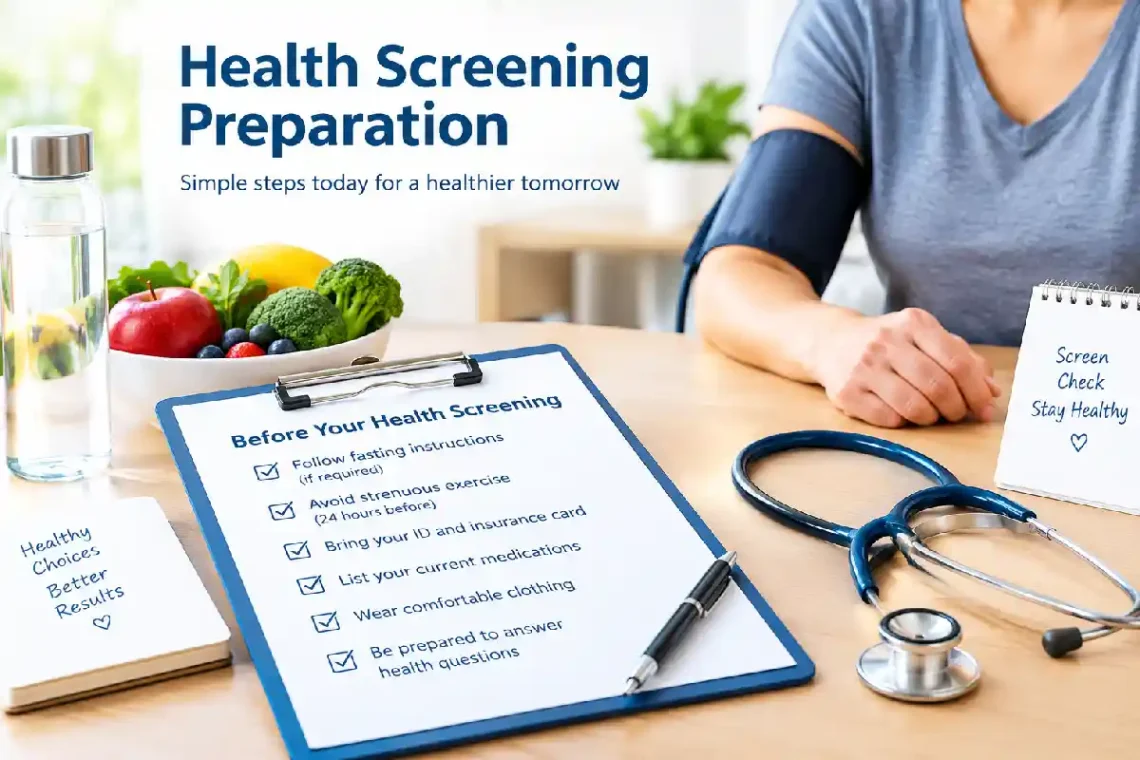
When you prepare yourself for a health screening, it will make your visit much easier and will give you a clear understanding of the test process. While some screenings do not require any preparation at all, others can be done only after fasting, taking certain medications, wearing particular clothes, or providing some additional information related to your medical history.
The kind of preparation required before a particular screening procedure will depend on what kind of screening you need to have.
It is essential to follow the recommendations of your healthcare provider in order to avoid problems during the procedure. If you have any questions about preparation, ask your healthcare provider before the visit.
What to Know Before Your Screening
Before visiting for a health screening, make sure to know the tests that are scheduled and any preparations that are needed prior to the test.
You may wish to verify:
- The reason behind each test
- If there is a need to fast before taking the test
- If drinking water is allowed
- If you have to take your usual medication or not
- If there are some foods and drinks that you are supposed to avoid
- If there is a need to bring your previous test results
- The duration of the test appointment
- If other tests might be performed as well
Not every screening test requires special preparation.
For instance, in a normal blood pressure test, there is no need to fast; however, some other blood tests will need some special preparations.
Moreover, if the screening is done as part of your preventive care visit, then the doctor may do multiple tests in one visit.
When You May Need to Fast
Certain blood tests have fasting conditions where the individual does not consume food or drink any particular beverages for a particular amount of time before the test.
The condition of fasting will depend on which test is being done and the laboratory’s instructions. Not all blood tests require fasting.
Where the test requires fasting, you may be asked to abstain from consuming:
- Food
- Beverages with calories
- Alcohol
Water is allowed while fasting, but you should check the exact instructions from the health practitioner or laboratory. You should not assume that all blood tests will have fasting instructions, especially the A1C test.
Instructions for fasting may vary depending on whether several blood tests are done at once.
If you happen to eat or drink contrary to the instructions, you should inform the health practitioner or laboratory. This will help the health practitioner or laboratory decide whether the test should be done or rescheduled.
Medications and Health Screenings
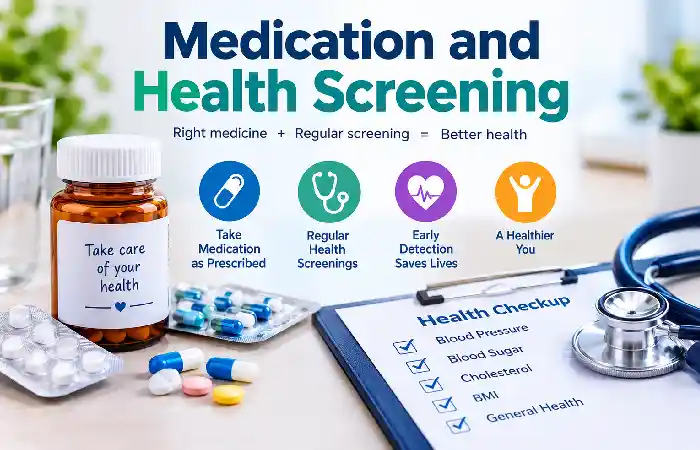
Discuss any drugs that you are taking prior to the screening process with your healthcare professional.
These could be:
- Prescribed drugs
- OTC drugs
- Vitamins
- Herbal supplements
- Dietary supplements
- Hormonal drugs
Some of these drugs might alter the test results or have special instructions prior to certain procedures.
However, never discontinue a prescribed drug just because you are undergoing the screening process.
In case of fasting, check if your usual drugs need to be taken with water or not; this could depend on the type of drug and type of test.
Individuals who are on medications for diabetes will especially need detailed instructions as to what to do while fasting since food intake and the dosages of the drugs could affect blood glucose.
Always adhere to the instructions given by the healthcare professional prescribing the drugs.
In case of doubt regarding any drug prior to screening, contact your healthcare professional.
What Health Information to Bring
The availability of appropriate health information will make the screening appointment more productive.
Based on the appointment you are scheduling, you might want to bring with you or have access to the following:
- Medication list
- Results of past screenings
- Laboratory reports
- Imaging studies
- Vaccine history, when necessary
- List of allergies
- Previous surgery history
- Chronic disease history
- Previous cancer screening results
- Home blood pressure monitoring, when applicable
Since your health care provider already has access to your medical history records, there is no need for you to carry paper copies.
It will be helpful to keep your own set of records where you will be able to see any changes that happened over time.
For instance, keeping past results of your cholesterol level, blood glucose level, blood pressure, or screening results will provide both you and your health care professional with trends rather than individual results.
Family Medical History
Certain health screenings may be affected by a person’s family history of medical conditions.
Prior to the consultation, you should find out whether any of your close relatives have been diagnosed with such diseases as:
- Heart disease;
- Stroke;
- Diabetes;
- High cholesterol;
- Breast cancer;
- Colorectal cancer;
- Prostate cancer;
- Ovarian cancer;
- Other cancers;
- Osteoporosis;
- Various inherited conditions.
This could include the type of disease and approximately at what age it was discovered.
Depending on your family medical history, some screenings may need to be done either earlier or more often than usual.
Nevertheless, being related to someone with a certain disease does not guarantee that you will get it too.
In case you cannot provide the full family medical history, give your doctor any information you have.
Questions to Ask Your Healthcare Professional
The screening visit is a chance for you to find out about your preventive health care needs.
Some questions that would be useful are:
- What are the necessary screening tests for me at this stage of my life?
- Do I have any risk factors which would mean I require earlier screening tests?
- Do I need to fast for this test?
- Am I able to take my normal medicines?
- What is this test looking for?
- How will I be given my results?
- When will my results be available?
- What will happen if my results are abnormal?
- When should I repeat the screening?
- What other tests should I consider because of my family history?
It is not necessary to ask all these questions each time, but only those related to the particular tests being done and those that you don’t understand.
Writing down your questions beforehand could prove helpful.
What Happens During a Screening?
The type of test determines the process of screening.
During a regular prevention check-up, there are several basic measurements performed that include the following:
- height and weight
- blood pressure
- heart rate
- medical history
- lifestyle measurement
- blood or urine test if necessary
- cancer screening if necessary
- psychological test
- age and risk-based screening
There are some types of screening tests that require a laboratory sample, while there are also those that need imaging and physical tests.
In general, if a test is done to find out cholesterol level or glucose level, then there is a need for blood sampling. In case of cervical cancer screening, the cells of the cervix are sampled. Mammography requires breast imaging.
All screenings are not suitable for everyone.
Depending on age, gender, family history, symptoms, and risk factors, your healthcare professional may prescribe a number of tests.
Screening is not the same as a diagnostic test.
If there are any symptoms present, then diagnostic testing may be recommended.
Understanding Your Results
Ensure that you understand your results after screening.
A normal result implies that the test did not detect the anomaly under evaluation at the time of testing.
An abnormal result does not always indicate that you have a disease.
Some reasons why you might have an abnormal result include:
- A temporary change
- A variance in measurements
- A false positive
- A condition that needs monitoring
- Need for more tests
The recommendations after screening could include repeat testing, follow-up testing, and further evaluation, depending on the test and the interpretation of the result by your doctor.
Asking the following questions after screening would help:
1. What does my result mean?
2. Is my result in the expected range?
3. Do I need further tests?
4. When do I need to repeat the screening?
5. Should I consider making some lifestyle changes?
6. Does my result affect my health risk?
A lab result should not be interpreted based on the reference range indicated on a report.
Follow-Up After Screening
Follow-up is also an important aspect of the screening process.
A good screening program is one where abnormal results are properly followed up.
Follow-up might include:
- Retesting
- Blood work
- Image studies
- Conducting an appointment with an expert
- Biopsy
- Lifestyle changes advice
- Drug discussion
- Periodic monitoring
The follow-up should be dictated completely by the results of the screening.
For example, abnormal cervical cancer screening might necessitate further assessment, whereas abnormal high blood pressure may warrant re-measurement at home or office.
Do not take it for granted that an abnormal screening implies that you are having cancer or some other deadly illness.
However, on the other hand, do not ignore follow-up recommendations since it could delay diagnosis and treatment.
If you are in doubt about your need for further evaluation after screening, call your healthcare provider.
Keeping Your Health Records Updated
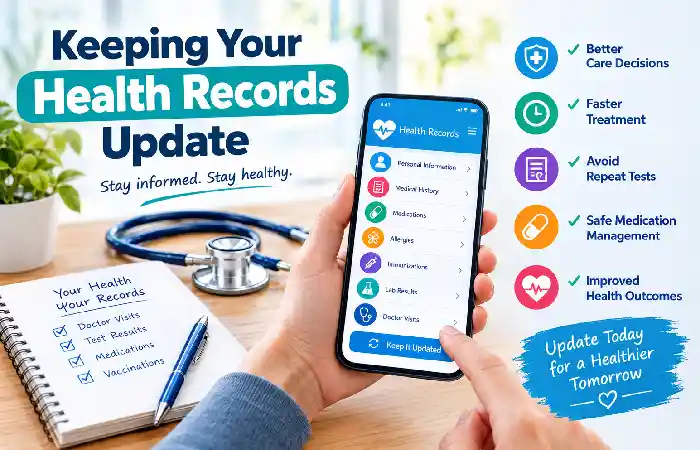
Keeping accurate health records can make preventive care easier over time.
Consider maintaining a record of:
| Health Information | Examples |
| Blood pressure | Recent readings and dates |
| Cholesterol | Total, LDL, HDL, and triglycerides |
| Blood glucose | A1C or glucose results |
| Cancer screening | Mammogram, cervical, colorectal, or other results |
| Vaccinations | Vaccine type and date |
| Medications | Current prescriptions and doses |
| Allergies | Medication or other allergies |
| Family history | Major diseases and approximate ages of diagnosis |
| Imaging | Important scans and reports |
Use of digital health records could also make it easy to note when these tests were done and if further tests are necessary.
While moving from one healthcare facility to another, having the results of previous screenings would save the trouble of undergoing unnecessary tests.
Nevertheless, it is imperative that such medical records are secured and disclosed to the right medical personnel.
Preparing for Different Types of Health Screening
Various screenings will need different preparations.
Blood Tests
Find out if you need to fast or if you need to take your medicines as usual.
Blood Pressure Screening
Try to avoid stressing yourself just before the test if possible. Follow the instructions of the healthcare professional.
Cancer Screening
Cancer screenings are done in various ways, which means different kinds of preparations are needed for mammograms, Pap smears, colorectal screening, and others.
Imaging Tests
Some imaging tests might require you to fast or prepare in some other way. Follow the instructions from the imaging center.
Mental Health Screening
Mental health questionnaires don’t usually require any physical preparation. Just answer the questions truthfully.
Final Thoughts
Getting ready for a screening procedure may not always be complex. The main thing about getting prepared is being clear about the tests you will undergo, fasting and medication instructions, medical history, and result delivery method.
Not all screens require similar preparation processes. Always adhere to the instructions given by your healthcare provider or the testing institution.
After the screening process, it is essential to know the results and undertake all the required follow-up procedures. Maintaining a well-organized document of your health data will also be helpful in future preventive appointments.
Medical disclaimer: This article is only for general educational use and does not constitute medical advice, diagnosis, or individualized screening instructions. Requirements of preparation depend on the particular test, medications, health data, and healthcare institution. Always follow the instructions of your healthcare provider.
Dr. Khizrana Begum
Dr. Khizrana Begum is a qualified medical professional with MBBS and MD qualifications and 5+ years of experience in the medical field. She works as a General Physician and Dermatologist, with knowledge spanning general medicine, dermatology, preventive healthcare and skin health.
As a medical reviewer, Dr. Khizrana Begum reviews health and wellness content for medical accuracy, clarity and authenticity.
Sameena Begum
Sameena Begum reviews content for clarity, accuracy and reader usefulness. Her review process helps ensure that published information is clearly presented, relevant and easy for readers to understand.
Syeda Yasmeen
Syeda Yasmeen is a Health & Wellness Writer at InHumanBeing.com. She creates clear and reader-focused content across health, nutrition, wellness, women’s health, men’s health and babies’ health.